Coaching, Counseling & Case Consultation
Chronic Illness & Injury Coaching
As a coach, I walk alongside people navigating chronic illness, injury, and complex medical experiences. Much of our work together focuses on medical skill building — preparing for appointments, figuring out what questions to ask, and practicing how to have difficult or vulnerable conversations with medical providers.
Because I live this reality myself, I understand how overwhelming and isolating the medical system can feel. I bring both lived experience and professional insight, helping clients step back, look at the bigger picture, and identify practical, supportive solutions. My approach is compassionate, collaborative, and solution-focused, with a strong emphasis on self-advocacy, clarity, and care for the whole person.
Counseling
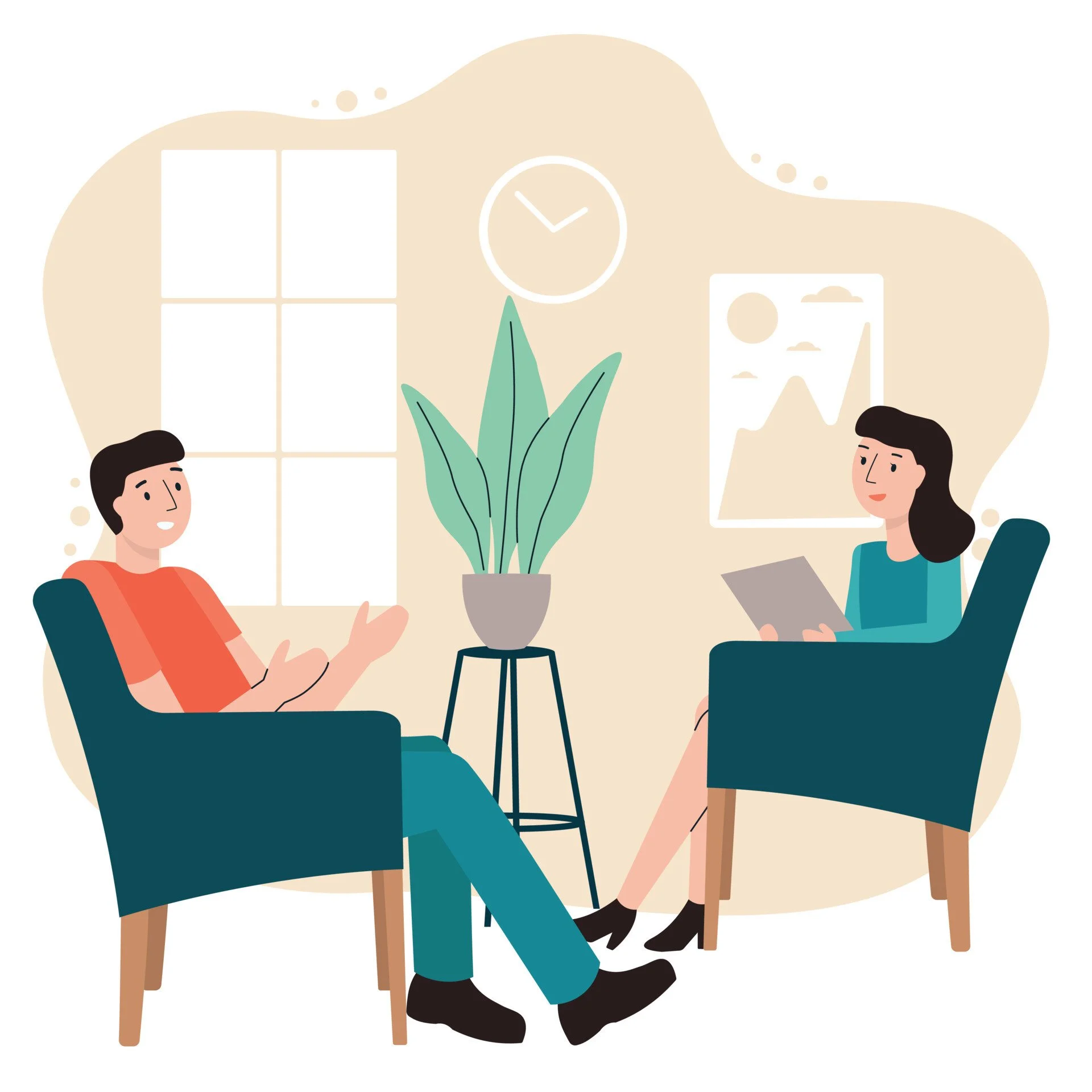
I provide counseling for individuals living with chronic medical conditions, disabilities, and disordered eating. Living in a complex body can be exhausting, isolating, and confusing — especially when symptoms are unpredictable, care feels fragmented, or your experience isn’t fully understood by others.
In our work together, there is space to explore the emotional, physical, and relational impact of ongoing health challenges. We may talk about grief and loss, changes in identity, body image, fear of the future, frustration with medical systems, and the ways disordered eating or coping patterns can emerge in response to chronic stress and pain.
My approach is compassionate, trauma-informed, and collaborative. I work to create a space where you feel believed, supported, and not rushed — a place where your experience is honored and you don’t have to carry it alone. Together, we focus on building understanding, self-compassion, and tools to support resilience and meaningful healing, at a pace that feels safe for you.
What’s the difference between counseling and coaching?
Counseling focuses on healing, understanding, and processing emotional experiences. It often explores past and present experiences, mental health symptoms, trauma, identity, relationships, and patterns that may be causing distress. Counseling is clinical, diagnosis-informed when appropriate, and supports emotional regulation, insight, and healing over time.
Coaching is more forward-focused and practical. Coaching helps you build skills, navigate current challenges, clarify goals, and problem-solve next steps. In the context of chronic illness or injury, coaching often includes medical skill building — preparing for appointments, practicing difficult conversations with providers, and looking at the bigger picture to identify supportive, realistic solutions.
Case Consultation
Tamie is deeply committed to collaborative, team-based care for individuals navigating the layered challenges of chronic illness, disability, and eating disorders. She works closely with multidisciplinary treatment teams — including therapists, dietitians, physicians, psychiatrists, physical therapists, and other medical specialists — to ensure care is coordinated, personalized, and responsive to the whole person. Her approach recognizes that medical complexity, trauma history, body image concerns, and functional limitations often intersect and must be addressed concurrently rather than in isolation.
In her peer case consultations, Tamie provides a thoughtful, compassionate space for clinicians to explore diagnostic clarity, treatment planning, medical-trauma considerations, internalized ableism, and the nuanced ways chronic health conditions can complicate eating disorder recovery. She brings both clinical depth and practical application, helping providers feel supported, resourced, and more confident in managing complex presentations.